BARMER... "Land of~BLACK~GOLD
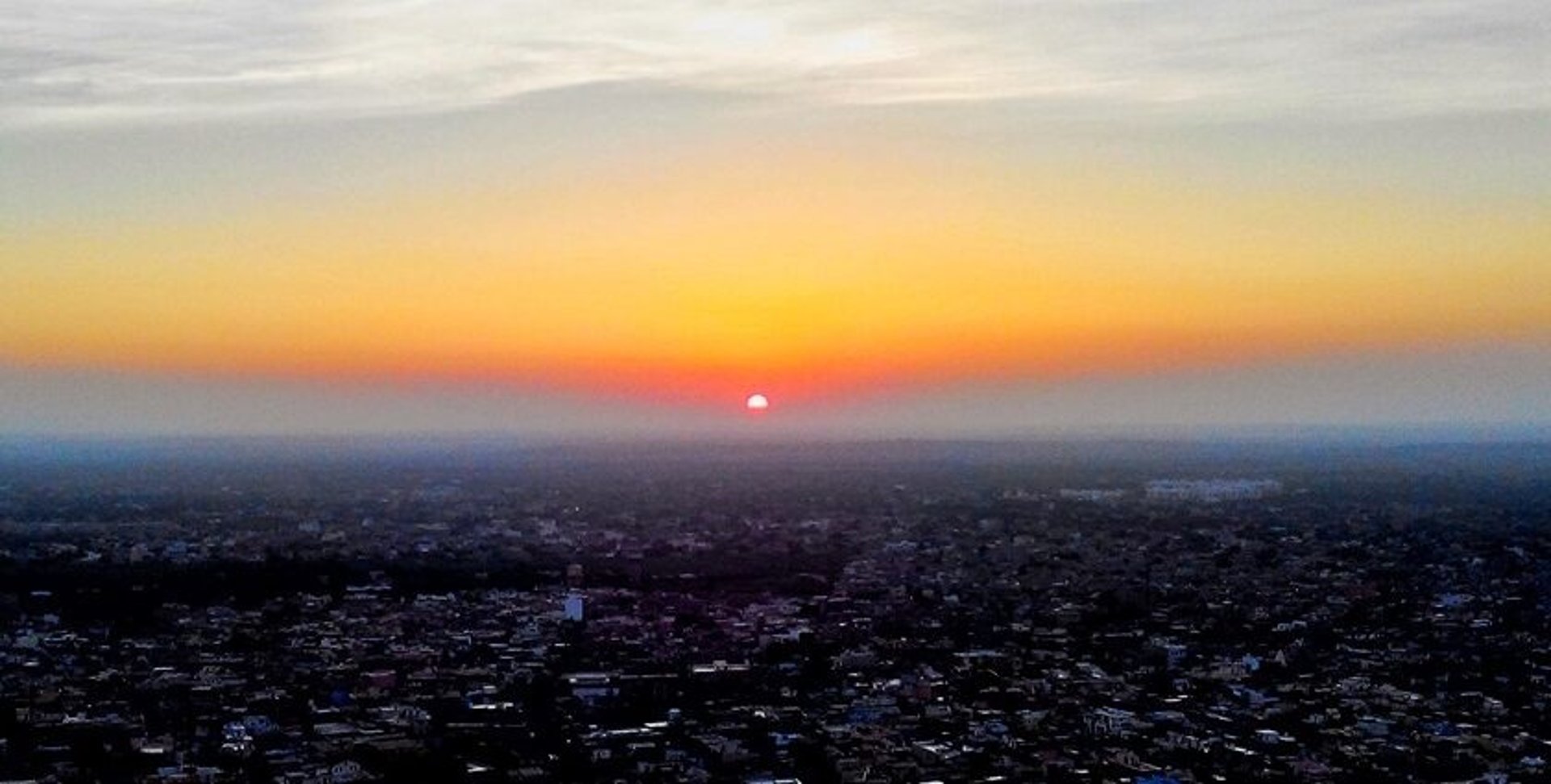
Barmer is a land of contrasts, where stark aridity coexists with vibrant hues and captivating charm. Its sun-scorched dunes undulate like waves in a sea of gold, while scattered settlements dot the landscape like oases in a vast expanse. The air is alive with the melodies of folk songs, their haunting strains blending harmoniously with the rustling of wind through the sparse vegetation.
The name Barmer, derived from ‘Bahad Rao Parmar’, the Rajput chieftain who founded it in the 13th century, echoes the spirit of valor and determination that permeates its very essence. As you venture into this captivating realm, you’ll encounter a rich tapestry of cultural heritage woven through the threads of time. Majestic forts and temples stand as sentinels, their weathered facades bearing silent witness to the passage of epochs. Artisans ply their ancient crafts, their nimble fingers creating exquisite works of art that embody the region’s timeless allure.
The Rich History of Barmer
Founded by Bahada Rao Parmar, Barmer’s name echoes tales of valor and chivalry from a bygone era. From the ancient ruins of Juna Barmer to the imposing grandeur of Barmer Fort, every corner of this captivating region resonates with the whispers of time. Under the patronage of the Rawat clan, Barmer flourished as a center of prosperity and cultural growth. Temples and monuments were erected, showcasing the region’s artistic brilliance.
The Kiradu Temples, adorned with intricate carvings, and the Nakoda Jain Temple, revered for its spiritual significance, stand as testaments to the craftsmanship of yesteryear.
Barmer’s strategic location on trade routes made it a flourishing center of commerce. Caravans laden with goods traversed its sandy expanse, bringing with them not only wealth but also cultural influences from distant lands. The region’s rich heritage is reflected in its vibrant traditions and customs. The captivating beats of folk music fill the air, while the intricate designs of hand-block printing adorn fabrics and textiles.
Barmer’s people are as resilient as the land they inhabit. They have adapted to the harsh desert environment, carving out a living from the unforgiving terrain. Their spirit of perseverance is evident in their warm hospitality and unwavering optimism.
The Magnificent Architecture
The magnificent architecture of Barmer is a testament to the region’s rich cultural heritage and the craftsmanship of its artisans. From intricately carved temples to imposing forts and palaces, each structure stands as a masterpiece, blending seamlessly with the surrounding landscape.
Among the most notable architectural wonders of Barmer are the Kiradu Temples, a cluster of five ancient shrines dating back to the 11th century. These temples are renowned for their intricate carvings and sculptures, showcasing the mastery of Solanki artisans. The Someshwara Temple, the largest of the group, is particularly awe-inspiring with its towering shikhara (spire) that pierces the sky.
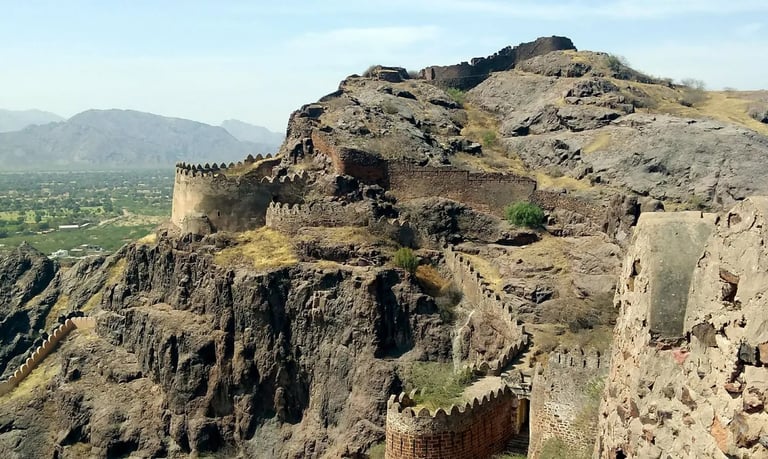
Another architectural gem is the Barmer Fort, a formidable structure that has stood sentinel over the city for centuries. The fort’s imposing walls and bastions bear witness to the region’s turbulent past, while its intricate gateways and jharokhas (balconies) are a testament to the artistry of its builders.
As you venture beyond the city, you will encounter scattered remnants of a bygone era – abandoned havelis (mansions) with crumbling facades, cenotaphs adorned with intricate carvings, and step-wells that descend deep into the earth. These vestiges of the past whisper tales of a time when Barmer was a flourishing center of trade and commerce.
Related Stories
Rajasthan Portal © 2025
RAJASTHAN PORTAL reflects true and faithful information about Rajasthan. Rajasthan the historical and the great state of Rajputana. We will try our best to provide you all about Rajasthan and the great cities of Rajasthan.
Reframe your inbox
Subscribe to our newsletter and never miss a story.
We care about your data in our privacy policy.
Contact : 08690296971
E-mail : info@rajasthanportal.in